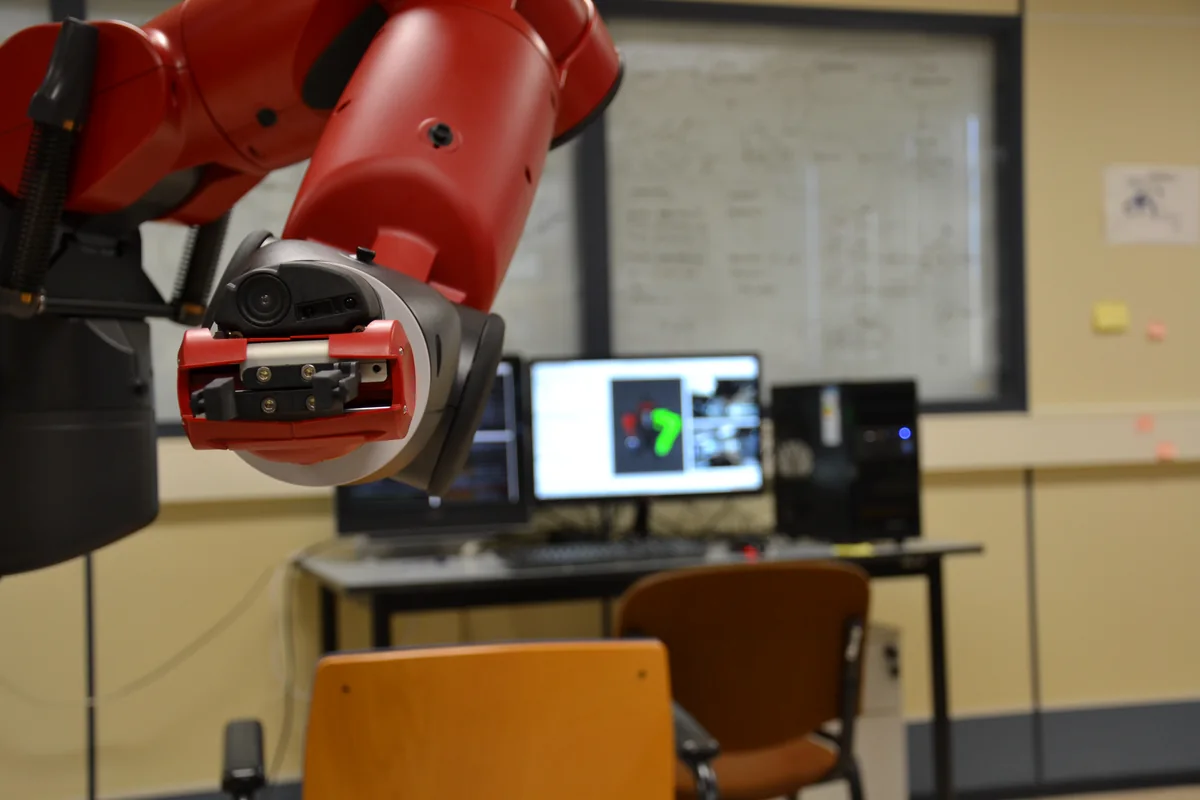
 01 — CONNECT
Know the machine.
A device profile makes its capabilities, resources, and operating limits explicit.
An application platform for physical AI. In development.
Think Android, for physical AI. A shared application and management layer above existing systems—with control and recovery kept local.
For developers, hardware teams, and the people who will operate their fleets.
How it fits together01 — CONNECT
A device profile makes its capabilities, resources, and operating limits explicit.
 02 — EXTEND
Apps declare what they need. Compatibility and permission checks come before installation.
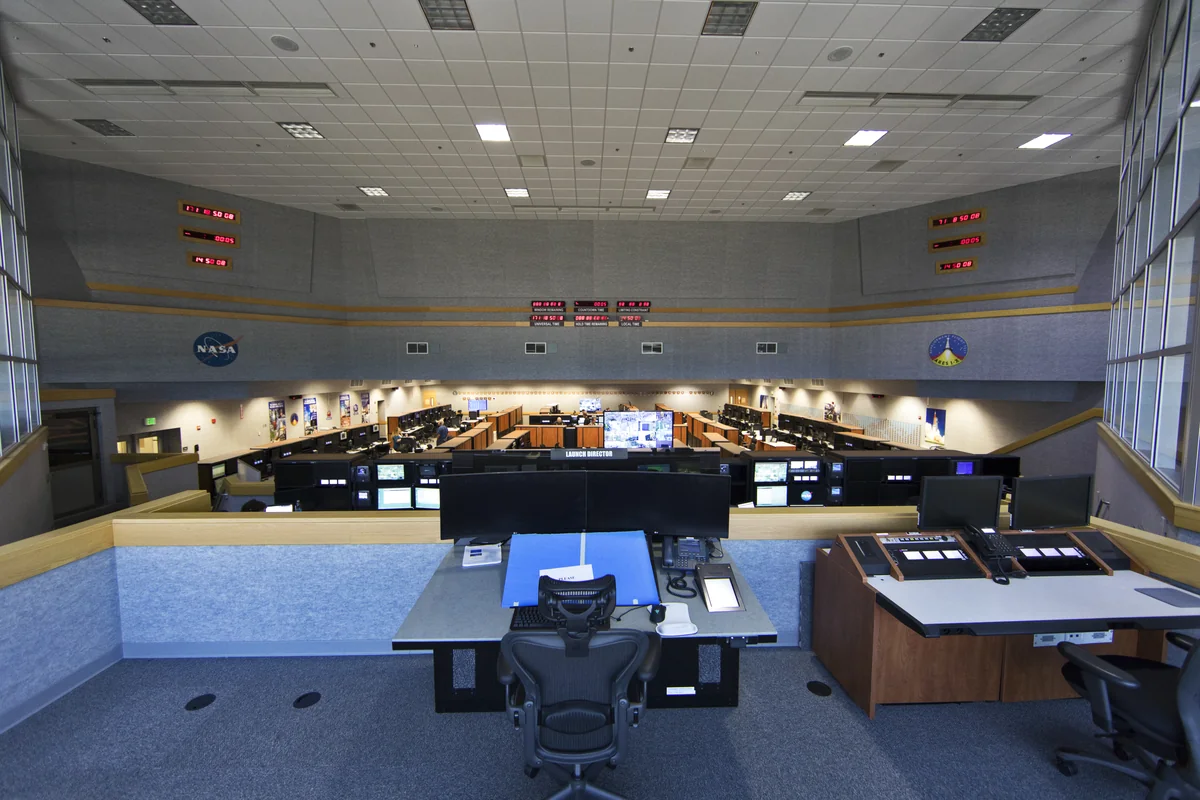 03 — MANAGE
The fleet vision: understand device health, manage app versions, and trace tasks to their outcomes.
Chakra47 adds applications and management above Linux, RTOS endpoints, and existing robot controllers. Physical control and recovery stay on the machine.
Identity · capabilities · app versions · status
Task intent · declared needs · scoped permissions
Perception or planning, when an app needs it
Physical control, interlocks, stabilization, and recovery remain local—even when a remote connection is lost.
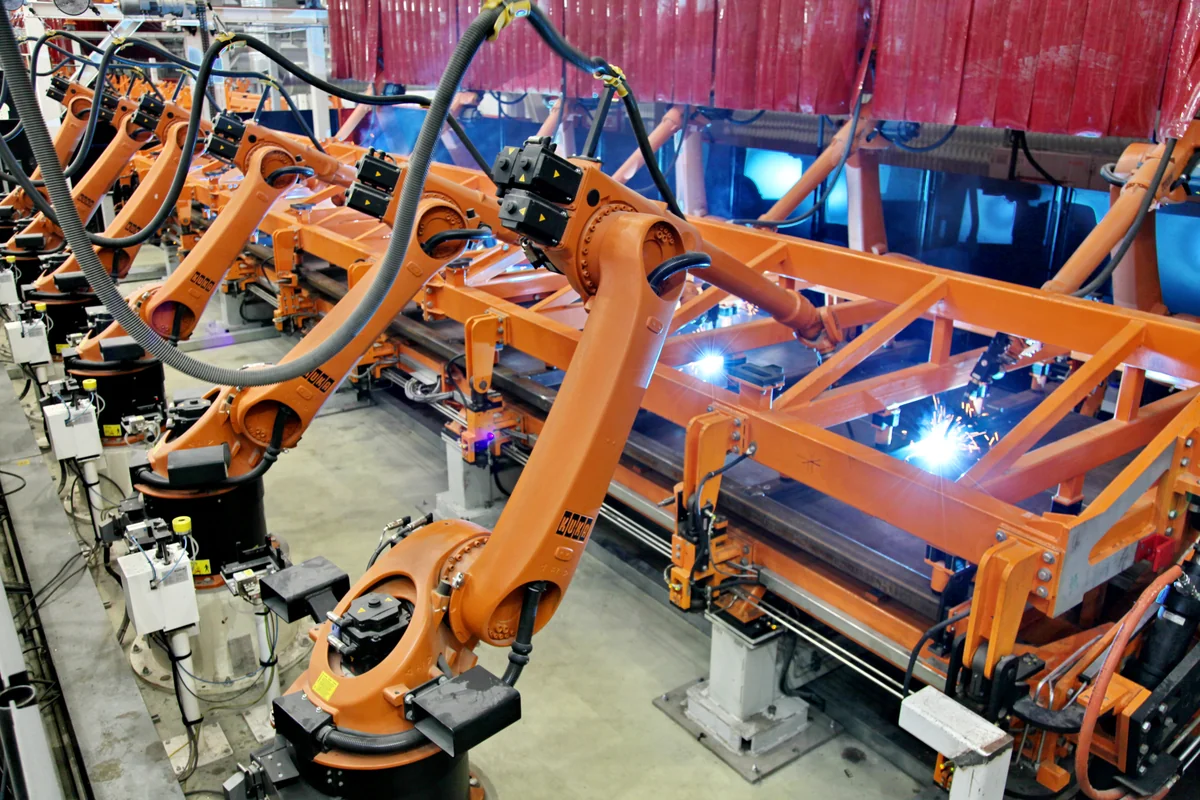
Apps must fit the device’s capabilities, runtime, adapter, resources, and operating limits. Compatibility is established profile by profile.
Scoped permissions limit what an app can ask the machine to do. Installing software must not grant unrestricted physical authority.
Follow a task through observed completion, cancellation, and fault recovery. An accepted request is not a completed task.
Compare two illustrative device profiles.
The app’s required capabilities are declared. Real installation still requires permission, resource, and operating-profile checks.
Trace tasks from request through observed completion, cancellation, and fault recovery. Keep control on the machine.
Build device profiles and compatible applications, with scoped permissions, controlled updates, and optional AI models.
Bring device health, app versions, and recovery tools into one place. Validate performance with available hardware.
Chakra47 is in development. These are planned capabilities. Device support and performance will be established through testing and validation.
It is an application and management platform above existing operating systems and robot controllers. The Android comparison describes an app ecosystem, not a replacement for Linux, RTOS, or local control software.
Chakra47 is in development. Support for commercial robots has not been announced. Each future device profile needs adapter work, capability checks, and validation against its hardware and operating limits.
No. Models are optional components for tasks such as perception or planning. Deterministic apps can operate without a model. Models do not bypass permissions or take physical control away from local controllers.
Join the waitlist for development updates and future early access. Tell us where you’re coming from.